
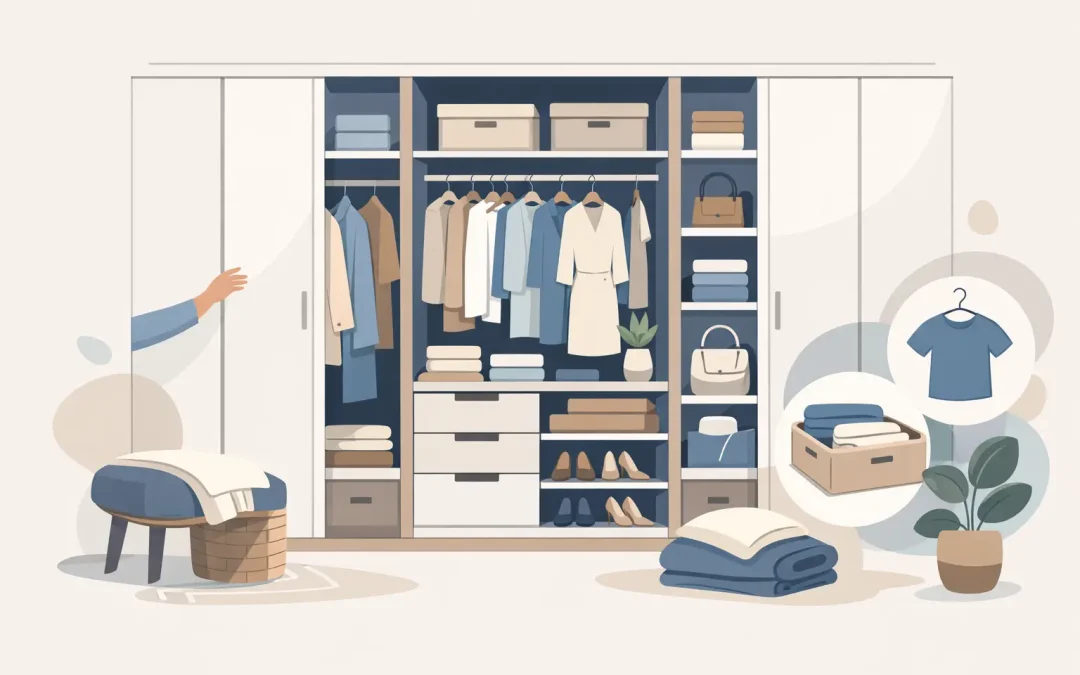
A wardrobe can look generous on paper and still be frustrating to use every day. That usually comes down to poor layout, wasted corners, awkward doors, or shelving that never quite suits the way you live. Built in wardrobes solve that problem when they are designed around the room, the home, and the people using them.
For many Melbourne homeowners, the appeal is straightforward. You want more usable storage, a cleaner look, and cabinetry that feels like it belongs in the room rather than being added as an afterthought. When done properly, a built in wardrobe does more than store clothes. It improves how a bedroom functions, reduces visual clutter, and adds a sense of order that freestanding furniture rarely delivers.
Why built in wardrobes make better use of space
The biggest advantage of built in wardrobes is that they use the full dimensions of the room. A freestanding robe often leaves dead space above, beside, or behind the unit. In smaller bedrooms, that wasted area matters. Floor space is tighter, circulation is more important, and every storage decision has a visible impact on how open the room feels.
Custom cabinetry can run to the ceiling, fit wall to wall, and work around alcoves or bulkheads. That means less unused space and more purposeful storage. It also creates a more integrated finish, which is especially valuable in modern homes where a clean, consistent look matters just as much as practicality.
There is also a long-term benefit. A wardrobe that is designed for the room is less likely to be outgrown quickly. Instead of trying to make a generic internal layout work, you can plan hanging space, drawers, shelving and accessory storage according to what you actually own.
What to plan before you build
A good wardrobe starts well before materials and finishes are chosen. The first step is understanding how the space needs to work on a daily basis.
If the wardrobe is for a main bedroom, you may need a mix of long hanging, double hanging, drawers, and concealed shelves. A child’s room often calls for simpler storage that can adapt over time. In a guest room, flexibility usually matters more than high-capacity clothing storage. There is no single best internal layout because the right answer depends on the user, the room size, and how much needs to be stored.
Door style should also be considered early. Sliding doors suit tighter rooms where swing clearance is limited. Hinged doors give full access to the interior and can be more practical if the room allows enough space in front. Neither option is automatically better. It depends on the bedroom layout and how you want to use the wardrobe.
Height is another detail that is often overlooked. Full-height cabinetry makes excellent use of vertical space, but the upper sections should be reserved for items you do not need every day. If everything important ends up on the top shelf, the design has not really improved usability.
Built in wardrobes should suit the room, not fight it
One of the most common mistakes in bedroom storage is treating the wardrobe as a stand-alone product. In reality, it needs to work with the proportions of the room, the placement of windows, the bed location, and the natural movement through the space.
In a narrow bedroom, a wardrobe with bulky framing or poorly chosen doors can make the room feel more confined. In a larger main bedroom, undersized cabinetry can look temporary and leave the room feeling unresolved. The right design should feel balanced. It should support the room rather than dominate it.
This is where custom joinery makes a clear difference. It allows the wardrobe to be designed as part of the overall room, not as a compromise forced into place. That matters whether you are renovating a single bedroom or creating consistent cabinetry throughout the home.
Internal wardrobe design matters more than most people expect
From the outside, many wardrobes look similar. The real difference is usually inside.
A well-designed interior saves time and reduces clutter because everything has a place. Drawers can hold smaller items that would otherwise end up scattered across shelves. Double hanging sections can increase capacity for shirts and folded trousers. Open shelving can be useful, but too much of it can quickly become untidy if there is no structure to how items are stored.
There is also a balance to strike between visibility and concealment. Some homeowners like open sections for easy access. Others prefer cleaner lines and more closed storage to keep visual noise to a minimum. Neither preference is wrong. The goal is to design around habits, not trends.
Lighting, handles, and mirror placement can also improve functionality, but these details should support the wardrobe rather than compensate for a poor layout. If the internal design is right, the wardrobe will feel easier to use from the beginning.
Finishes, colours and style choices
A built in wardrobe should feel connected to the rest of the home. That does not mean every room needs identical cabinetry, but there should be a sense of consistency in colour, finish, and overall quality.
Lighter finishes can help smaller bedrooms feel more open. Darker tones can add depth and a more architectural look, particularly in larger spaces with good natural light. Matte finishes are popular for a reason, but they are not the only option. The best choice depends on the style of the room, how much wear the surface will receive, and how easy you want it to be to maintain.
Mirrored doors can make a room feel larger and reduce the need for a separate full-length mirror, but they are not ideal for every bedroom. Fingerprints, glare, and the overall look of the space should all be considered. Likewise, handle-free profiles create a streamlined appearance, though some homeowners still prefer the feel and practicality of a traditional handle.
Quality matters here. A wardrobe is used every day, often multiple times a day, so finishes and hardware need to stand up to regular use. What looks good at installation should still perform years later.
The value of custom cabinetry in older and newer homes
Melbourne homes vary widely, and that affects wardrobe design more than many people realise. Older homes often come with uneven walls, unusual ceiling lines, and room dimensions that do not suit standard products. Newer homes may have cleaner lines but tighter footprints, where efficient storage becomes essential.
In both cases, custom built in wardrobes offer a practical advantage. They can be tailored to the actual conditions of the room instead of relying on filler panels and compromises. That usually leads to a cleaner finish and better day-to-day use.
For homeowners upgrading several areas at once, there is another benefit. Working with a cabinetry specialist that understands whole-of-home joinery can create a more consistent result across wardrobes, kitchens, laundries and bathrooms. That cohesion often makes the home feel more considered and better finished overall.
When built in wardrobes are worth the investment
Not every home needs a high-end wardrobe fit-out, and it is worth being honest about that. If the room is temporary or the property is due for a broader renovation later, a simple solution may be enough for now. But where storage is a daily pain point, or where presentation and long-term value matter, custom wardrobes are usually worth the investment.
The reason is simple. Good cabinetry improves both function and finish at the same time. You are not just adding shelves and doors. You are making the room easier to live in while lifting the quality of the space.
That is why homeowners often see built in wardrobes as part of a larger improvement to the home, not just a bedroom upgrade. Better storage changes how a room feels, how tidy it stays, and how well it supports everyday life.
At All Quality Kitchens, that practical approach is central to every custom cabinetry project. The best result is not the most complicated design. It is the one that fits your space properly, reflects how you live, and continues to work well long after installation.
If you are planning a bedroom update, start with the way the room needs to function. The right wardrobe should make life simpler, look right at home, and feel like it was always meant to be there.
Recent Comments