
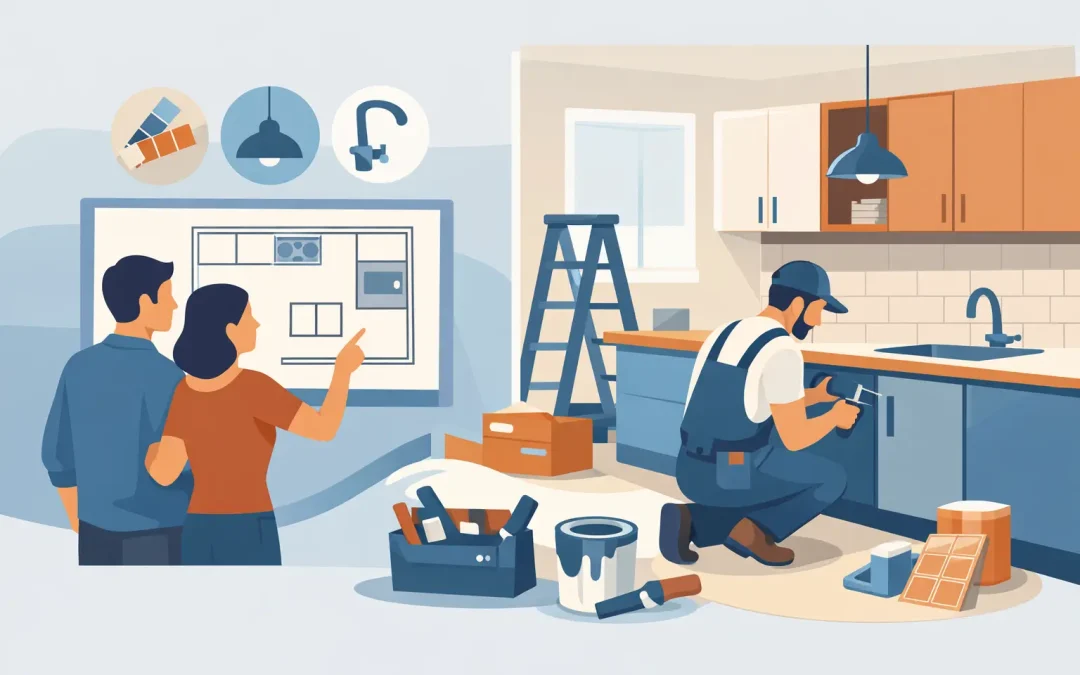
When a small kitchen stops working, you feel it every day. Benchtops get crowded, cupboards are hard to reach, and simple tasks like unpacking groceries or making school lunches become more frustrating than they should be. If you are planning how to renovate a small kitchen, the goal is not just to make it look better. It is to make every centimetre work harder.
A successful small kitchen renovation starts with honest priorities. In most Melbourne homes, space is limited but expectations are not. You still want good storage, durable finishes, room to move, and a layout that suits the way your household actually lives. That is why small kitchens benefit most from careful planning and custom cabinetry, not guesswork or one-size-fits-all solutions.
Start with function before finishes
The biggest mistake in a small kitchen renovation is choosing colours, splashbacks or appliances too early. Those details matter, but they should come after the layout is resolved. A kitchen can look modern and still be awkward to use if the workflow is poor.
Think first about how the space performs day to day. Where do you prepare food? Where do dishes pile up? Do you need more pantry storage, better drawer access, or room for two people to work at once? In a smaller kitchen, these questions shape the design far more than trends do.
It also helps to decide what is not working in the current space. Sometimes the issue is obvious, such as not enough storage. Other times it is a combination of smaller frustrations, like overhead cupboards that feel cramped, a fridge that interrupts traffic flow, or corners that waste usable space. Identifying these pressure points early gives the renovation a clear purpose.
How to renovate a small kitchen without wasting space
Space planning is where small kitchen renovations are won or lost. Every cabinet depth, appliance size and walkway clearance affects how open or cramped the room feels. In tighter layouts, keeping the existing plumbing and electrical positions can help control costs, but it is not always the best decision if the layout itself is the main problem.
There is a trade-off here. Moving services can improve function dramatically, but it can also increase the budget. The right choice depends on the condition of the room, the age of the home and how long you plan to stay there. If this is your long-term home, investing in a better layout often pays off in daily comfort.
Galley kitchens, U-shaped kitchens and compact L-shaped kitchens can all work well when designed properly. The priority is to maintain a natural workflow between sink, cooktop and fridge, while allowing enough bench space where it matters most. In many small kitchens, one well-positioned preparation zone is more valuable than several broken-up surfaces.
Storage should be built around real use
In a small kitchen, storage is not just about fitting more in. It is about making items easier to access and easier to put away. Deep drawers usually outperform standard lower cupboards because they bring contents out to you. Full-height pantry storage can be more useful than spreading food storage across multiple small cabinets.
Custom joinery makes a noticeable difference here because standard cabinet sizes rarely suit awkward walls, tight corners or older homes. Filler panels and dead gaps may seem minor on paper, but across a small room they can add up to a lot of wasted potential.
Good storage design often includes a mix of drawer sizes, internal organisers, overhead cabinetry, and tall units where the layout allows. Open shelving can work in moderation, but too much of it tends to make a small kitchen feel visually busy. If you want the room to feel calmer and cleaner, concealed storage usually delivers a better result.
Choose materials that brighten the room and last
Small kitchens benefit from finishes that reflect light and keep the room feeling open, but durability matters just as much. A renovation should look good on day one and still perform well years later.
Lighter cabinetry colours often help a compact kitchen feel larger, especially when combined with simple door profiles and clean lines. That does not mean every small kitchen needs to be white. Timber tones, warm neutrals and soft greys can all work beautifully when balanced with the available natural light.
Benchtop choice also deserves practical thinking. A busy family kitchen needs surfaces that handle heat, moisture and regular cleaning. Splashbacks should be easy to maintain, and flooring should suit the level of foot traffic the home sees. In a smaller room, too many competing textures can make the space feel cluttered, so restraint usually works in your favour.
Appliances need to fit the kitchen, not dominate it
Oversized appliances are one of the quickest ways to make a small kitchen feel tighter. Bigger is not always better, especially if it costs you bench space or storage.
This is where realistic planning matters. A 900mm cooker may look impressive, but if it leaves no preparation space on either side, it may not be the right choice for the room. Likewise, a bulky fridge can interrupt circulation and make cabinetry feel like an afterthought.
Integrated or more compact appliances can improve the look and function of a small kitchen, but they need to match your lifestyle. If you cook frequently, entertaining and meal prep may justify prioritising a larger oven or a wider cooktop. If storage is your biggest challenge, reducing appliance footprint could deliver more day-to-day value.
Lighting matters more in small kitchens
A cramped kitchen often has less to do with square metreage than poor lighting. Dark corners, shadows over the benchtop and a single harsh ceiling light can make the room feel smaller than it is.
Layered lighting creates a more practical and welcoming space. Task lighting under overhead cupboards improves food preparation and cleaning. Ceiling lighting should provide even coverage, and if there is room for pendant lighting, it should complement the scale of the room rather than overwhelm it.
Natural light is equally important. If the kitchen renovation includes changes to adjoining spaces, even small adjustments to glazing, sightlines or wall colours can help the room feel more open. Sometimes the sense of space comes from visual connection, not from physically enlarging the kitchen.
Budget for the work that affects daily life most
When homeowners ask how to renovate a small kitchen on a sensible budget, the answer is usually to prioritise function first and cosmetics second. That means spending on cabinetry, layout, hardware and quality installation before stretching the budget across purely decorative upgrades.
Cheap cabinetry can look acceptable at first, but poor construction, weak runners and ill-fitting doors become obvious with daily use. In a small kitchen, where every element works harder, quality matters even more. Better materials and precise joinery often provide stronger long-term value than chasing the lowest upfront price.
It is also wise to allow a contingency. Older homes in Melbourne can hide issues behind walls and under floors, from uneven surfaces to outdated services. A well-managed renovation plan accounts for those possibilities rather than being derailed by them.
How to renovate a small kitchen for long-term value
A good small kitchen renovation should suit your current needs without boxing you into short-term decisions. That is especially important if the kitchen connects visually with nearby living areas or if you are also considering cabinetry upgrades in the laundry, bathroom or wardrobes.
Consistency across these spaces can lift the overall feel of the home. Matching materials, coordinated storage design and a shared design language create a more considered result. For many households, that broader planning approach makes more sense than treating the kitchen as a standalone project.
Working with an experienced custom cabinetry specialist can help you make these decisions with more confidence. A tailored design allows the kitchen to respond to the exact room dimensions, your storage needs and the style of your home, instead of forcing standard products into a space they were never designed for. That is a big reason many local homeowners choose a custom approach through specialists such as All Quality Kitchens.
The best renovation is the one that fits the way you live
A small kitchen does not need to be oversized to feel generous. It needs to be planned properly, built well and tailored to the people using it. When the layout flows, the storage is considered, and the finishes are chosen with purpose, even a compact kitchen can feel calm, capable and genuinely enjoyable to use.
If you are weighing up your options, focus less on making the room look bigger and more on making it work better. That is usually where the best results begin.
Recent Comments