
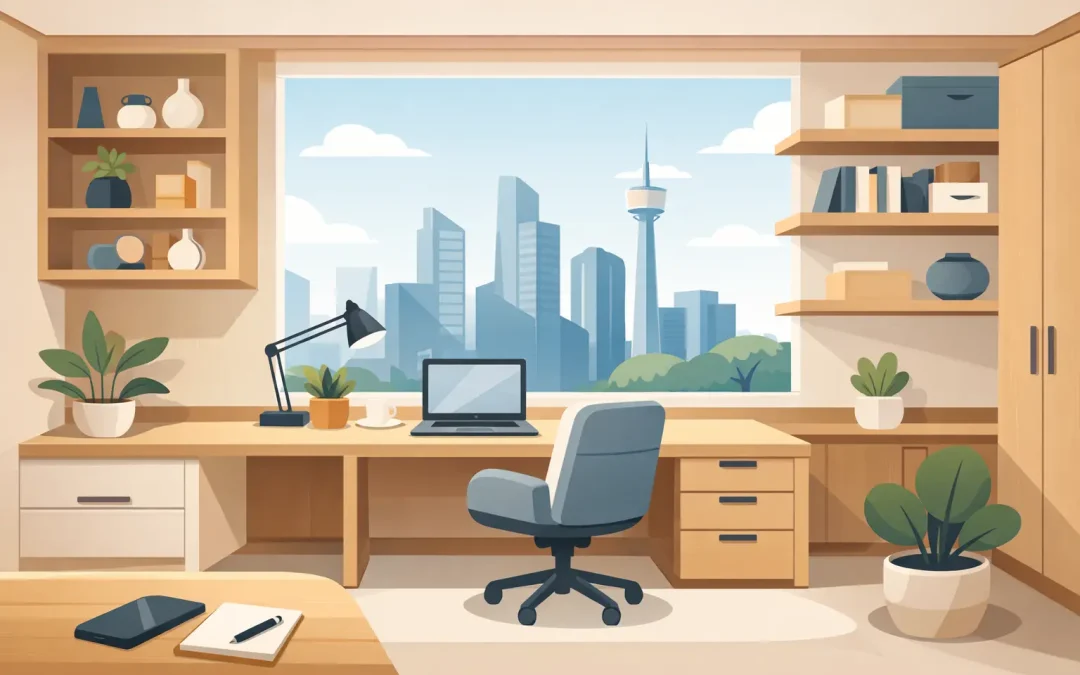
Working from the kitchen bench gets old quickly. If your paperwork is fighting for space with school bags, chargers and the fruit bowl, a better setup is not a luxury – it is a practical improvement to how your home runs. That is where home office joinery Melbourne homeowners invest in can make a real difference, giving you a workspace that feels considered, efficient and built for everyday use.
A well-designed home office is not just a desk pushed against a wall. It is storage that suits the way you work, cabinetry that fits the room properly, and a layout that helps you stay organised without making the rest of the house feel cluttered. In many Melbourne homes, space is limited or shared, so custom joinery matters even more.
Why custom home office joinery matters
Off-the-shelf furniture can work in some rooms, but it often leaves gaps, wastes wall space or creates a mismatched look. In a home office, those compromises show up quickly. Files pile up because there is nowhere sensible to store them. Cables sit in plain view. Shelving ends up too deep, too shallow or simply in the wrong place.
Custom home office joinery gives you a solution designed around the room and around your routine. That might mean a built-in desk under a window, overhead cabinets for storage, open shelving for display, or drawers sized for the equipment you actually use. The result is cleaner, more functional and usually far more durable than flat-pack alternatives.
There is also the visual side of it. A fitted office should feel like part of the home, not an afterthought. When the finishes, proportions and layout are tailored properly, the room feels calmer and more valuable. That matters whether you are working there five days a week or using the space for occasional admin and study.
What good home office joinery in Melbourne should include
The right design depends on the room, but good joinery always starts with practical use. The desk height needs to be comfortable. Storage needs to be easy to access. There should be enough surface area for your computer, paperwork and day-to-day tasks without making the room feel cramped.
In smaller homes, joinery often needs to do more than one job. A study nook may also need to hold household records, school supplies or printer storage. A guest room office may need cabinetry that keeps work tucked away at the end of the day. This is where custom work has a clear advantage. Instead of forcing the room to suit standard furniture sizes, the cabinetry is made to suit the room.
Storage that supports real work
Good office storage is not about adding as many cupboards as possible. It is about choosing the right balance. Some clients want closed cabinetry to hide paperwork and devices. Others prefer open shelving for books, display items or easy access to daily essentials. Often, the best result is a mix of both.
Deep drawers can be useful for files and larger items, while overhead cupboards help free up desk space. If the office is part of a living area, closed joinery often helps the room feel tidier. If it is a dedicated study, open shelving can make the space feel more relaxed and accessible.
Cable management and technology planning
This detail is often overlooked until it becomes annoying. A beautiful built-in desk loses some of its appeal when cords are hanging everywhere or power points are hard to reach. Joinery should account for screens, chargers, lighting, printers and internet equipment from the beginning.
That might mean allowing space for concealed wiring, placing access holes where they are actually needed, or planning cabinetry around existing power points. These choices are small on paper, but they make the office easier to use every day.
Finishes that suit the rest of the home
A home office should not feel disconnected from the rest of your interior. Materials, colours and profiles should complement nearby spaces, especially in open-plan homes or rooms off main living areas. A sleek modern finish may suit one property, while a warmer timber look may work better in another.
There is no single right answer here. What matters is choosing finishes that balance appearance with durability. If the office sees daily use, surfaces need to handle wear well and remain easy to maintain.
Designing for the way Melbourne homes are actually used
Not every home has a spare room waiting to become an office. In Melbourne, many households are making smarter use of alcoves, underused corners, hallway ends and multi-purpose rooms. Joinery is often what turns these awkward or underperforming areas into functional workspaces.
A custom-built study nook can fit neatly into an open-plan living zone without dominating the room. A wall-to-wall built-in can transform a small bedroom into a proper office with enough storage to keep the floor clear. In period homes, joinery may need to work around unusual dimensions, decorative features or walls that are far from square. In newer homes, the priority may be a cleaner, more integrated look.
This is why a personalised approach matters. Good cabinetry is not about forcing one design style onto every home. It is about understanding how the room is used, what needs to be stored, and how to make the most of the available space.
Common mistakes to avoid with home office joinery Melbourne projects
One of the biggest mistakes is focusing only on the desk and treating storage as secondary. A desk may look good on installation day, but without enough well-planned cabinetry around it, clutter returns quickly. Another common issue is underestimating the depth needed for monitors, keyboards and daily working space.
Lighting is another factor people often leave too late. Joinery design should consider natural light, task lighting and screen position together. You do not want overhead cabinets that cast shadows where you need brightness, or a desk layout that puts glare straight onto your screen.
It is also worth thinking ahead. If your current setup is one laptop and a notebook, that may not always be the case. Many homeowners benefit from planning a little extra storage or flexibility into the design, especially if the room may later be used by another family member.
The value of custom joinery over flat-pack furniture
Flat-pack furniture usually wins on upfront cost, but that does not always make it better value. In a home office, poor fit and lower durability can become frustrating quickly. Wasted corners, awkward sizing and visible wear often mean replacing pieces sooner than expected.
Custom joinery is built for the space and for long-term use. It can improve how the room functions, create a more polished finish and add to the overall appeal of the home. That is especially worthwhile when the office is visible from living areas or forms part of a broader renovation.
There is also the benefit of consistency. If you are updating a kitchen, laundry, wardrobe or other fitted spaces at the same time, custom cabinetry allows for a more cohesive result across the home. For many property owners, that is a smarter investment than assembling separate furniture solutions room by room.
Choosing the right team for your home office joinery
Experience matters here. A quality result depends on more than neat installation. It starts with understanding how to design cabinetry around room dimensions, storage needs and day-to-day use. The best outcomes come from careful planning, practical advice and joinery made to suit the space properly.
It also helps to work with a team that understands whole-of-home cabinetry, not just one room in isolation. A home office should sit comfortably within the wider home, both visually and functionally. If your office joins onto a living zone or forms part of a renovation, that broader experience becomes even more valuable.
For Melbourne homeowners, the goal is simple. You want a workspace that looks right, works hard and still feels part of home. That is exactly what thoughtful custom cabinetry can deliver. Businesses like All Quality Kitchens understand that good joinery is never just about filling a wall. It is about creating a practical, well-finished space that makes daily life easier.
If your current setup is cluttered, cramped or simply not working, the answer may not be a bigger desk. Often, it is better planning, better storage and joinery built around the way you actually live and work.
Recent Comments